AGP Executive Report
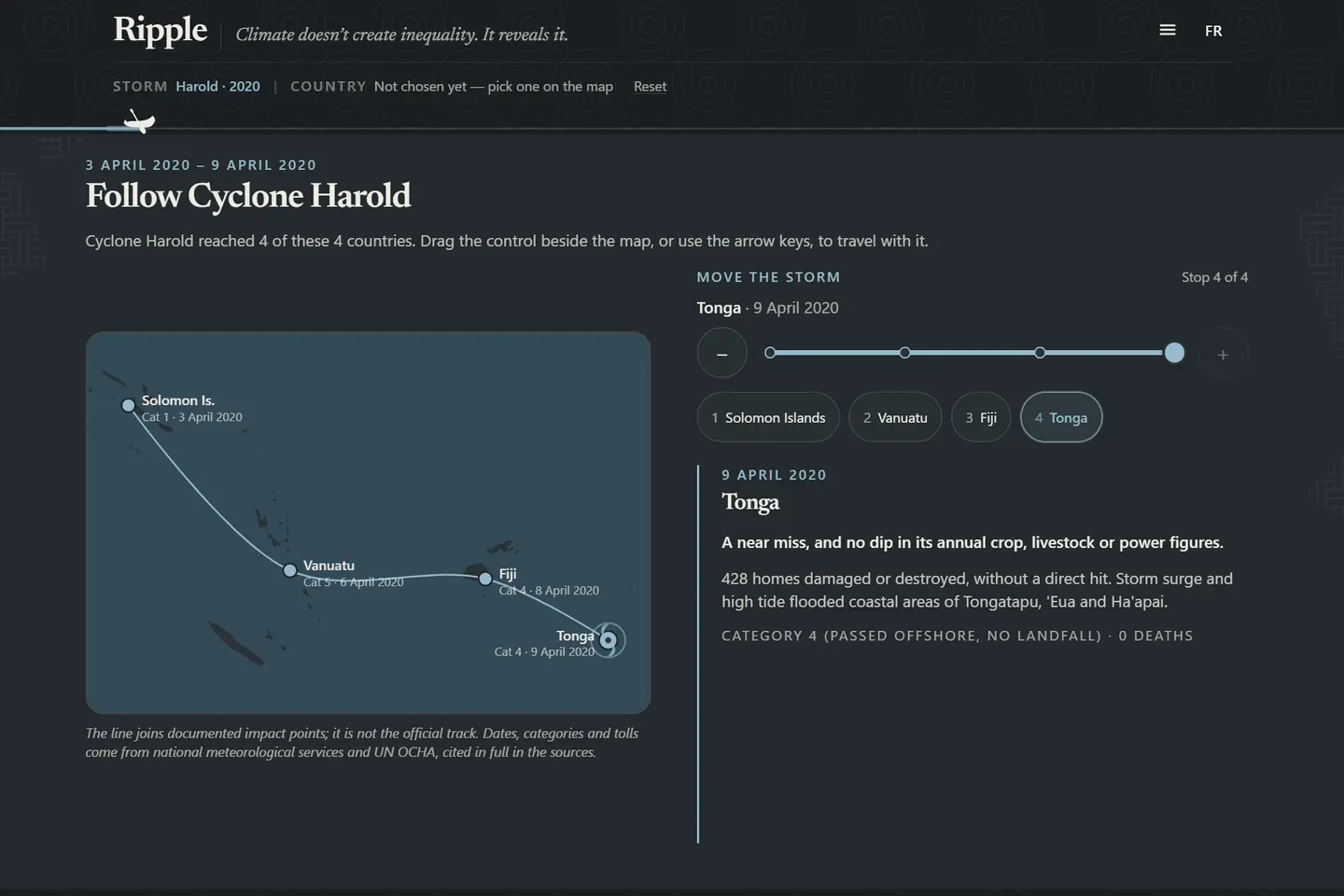
Last update: 5 hours agoOcean Warming: Pacific waters are heating unevenly as El Niño combines with long-term warming, putting pressure on marine ecosystems and communities. SPC says warming seas and more frequent marine heatwaves are shifting tuna stocks and challenging fisheries management. Climate Action: Ahead of COP31, former Fiji ambassador Satyendra Prasad urged Pacific leaders to turn climate pledges into finance and practical support for vulnerable communities. Cyclone Data: Solomon Islands’ Aziel Orihao won a Pacific youth prize for an interactive visualisation tracing the impacts of six major cyclones across four countries. Lagoon Risks: El Niño has lowered sea levels around Santa Isabel, New Georgia and Marovo by up to 30 centimetres below predicted tides. Meteorologists warn reduced lagoon circulation could raise environmental risks. Vangunu Fish Kill: Villagers reported hundreds of dead fish near the Dokoso Conservation Area; investigators say the cause is not yet known. Weather Readiness: Solomon Islands’ first weather radar is under construction and is expected to be commissioned by year-end, helping forecasters track storms and issue earlier warnings.
Note: AI summary from news headlines; neutral sources weighted more to help reduce bias in the result. Feedback is welcome. Please let us know if you have any comments or suggestions about the AGP Executive Report.

 Perspectify News